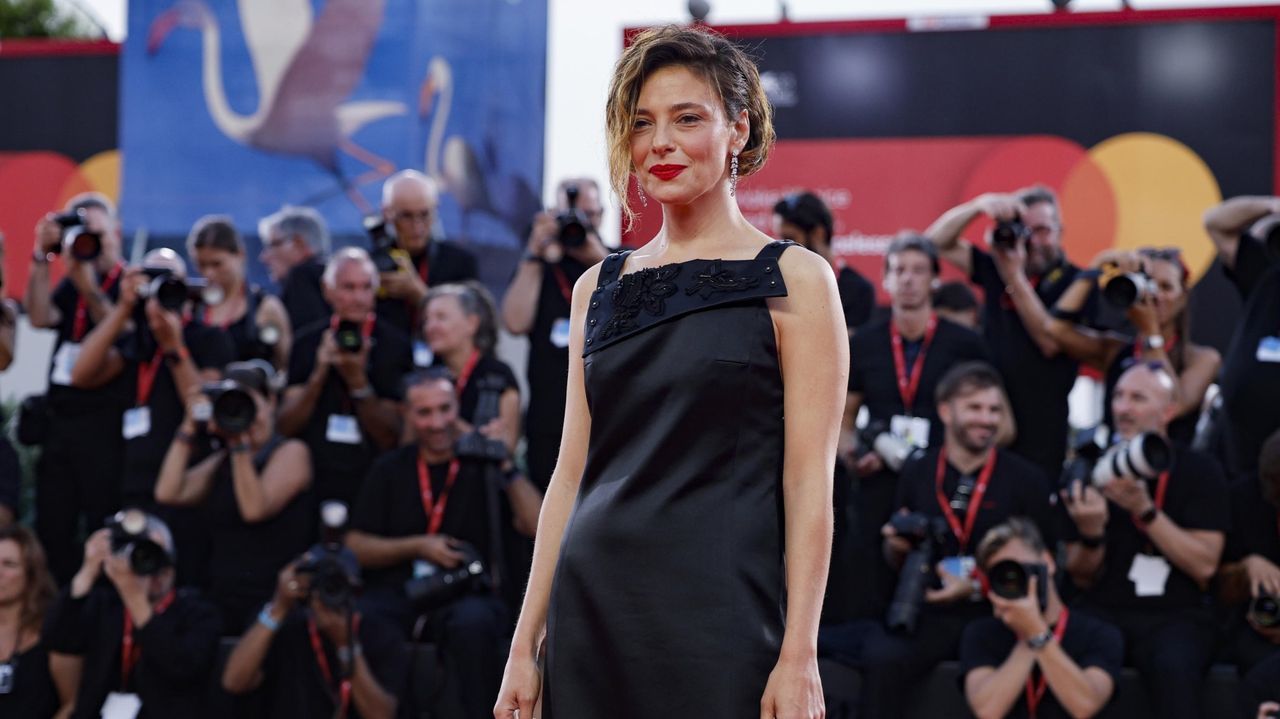
The 59th Sitges International Fantastic Film Festival closed on Saturday, October 17, 2026, with the top prize going to Sanguine, a French body-horror film directed by Marion Le Corroller, according to La Voz de Galicia. The jury named Jasmine Trinca best actress for her work in the Italian film La espiral. The festival's screenplay award went to Buddy, which La Voz de Galicia describes as a macabre take on Sesame Street.
Why it matters
The result, as reported by La Voz de Galicia, reflects several currents running beneath the surface of contemporary genre cinema. Sanguine is described as a political body-horror film, and other Spanish outlets framed it as a workplace satire. El Mundo called it a body-horror story about job pressure, while La Vanguardia described it as a horror satire of working life. That a film built around office anxiety and bodily transformation took the festival's main award suggests the jury rewarded genre work that speaks directly to present-day frustrations.
The acting prize for Trinca also carries weight. She is a well-known Italian performer, and the award places an Italian drama alongside the more overtly fantastic titles that usually dominate Sitges. La Voz de Galicia noted that Trinca attended the Venice Film Festival premiere of La espiral, which indicates the film has been moving through the international festival circuit before arriving in Catalonia.
A divided reception for the winners
Coverage of the awards was not uniformly celebratory. Diari ARA reported that Sanguine succeeded with both the public and the critics' jury, but described the overall list of winners as bleak, saying the prizes "saved the furniture" of an otherwise disappointing lineup. That phrasing, as reported by Diari ARA, points to a gap between the enthusiasm for the top winner and the broader view of the competition slate.
The screenplay award for Buddy adds another unusual note. La Voz de Galicia characterized the film as a macabre version of Sesame Street, a description that places a familiar children's television format in a distinctly darker register. The festival has a long history of rewarding work that mixes the playful with the disturbing, and the jury's choice here follows that pattern.
What the prizes say about genre cinema in 2026
The Sitges awards arrive at a moment when horror is being used increasingly as a vehicle for social commentary. Sanguine fits that trend directly: El Mundo's description of it as a body-horror film about workplace pressure, and La Vanguardia's framing of it as a horror satire of employment, both place the film in a lineage of genre movies that use physical transformation to talk about economic and professional strain. La Voz de Galicia's own summary called the film a political body horror, reinforcing that reading.
Trinca's win is a reminder that the festival's acting categories are not reserved for performers in overtly supernatural roles. La espiral is an Italian production, and its lead actress took the prize over a field that presumably included actors from more conventional horror and fantasy entries. The festival has not, in the reporting available, released the full list of nominees or the composition of the juries.
The screenplay prize for Buddy is harder to place without further detail. La Voz de Galicia's reference to a macabre Sesame Street suggests a script that borrows the iconography of children's educational television and turns it toward unsettling ends. That kind of tonal collision has become a recognizable strand in recent genre writing, and the jury's decision to honor it indicates an appetite for scripts that take formal risks rather than simply servicing a premise.
Context on the festival
Sitges is one of the longest-running fantastic film festivals in the world, and its 59th edition maintained the event's focus on horror, science fiction, and related forms. The awards were announced on Saturday, October 17, 2026, and La Voz de Galicia published its account the same day. The newspaper's coverage was labeled as exclusive for subscribers, and its reporting combined dispatches from Sitges with cultural desk material.
The Spanish press response varied by outlet. ABC reported that Sanguine, directed by Marion Le Corroller, won the best film award at the 59th edition. El Mundo emphasized the film's body-horror treatment of workplace pressure. La Vanguardia described it as a horror satire of labor. Diari ARA, meanwhile, offered the most critical assessment of the overall palmarès, while still acknowledging that the top winner had landed with both audiences and the critics' jury.
For CYBEV readers, the practical takeaway is that the festival's highest honors went to a French film about the body and the workplace, an Italian drama led by a performance the jury singled out, and a screenplay that reworks a children's television staple into something sinister. Those three choices, taken together, sketch a festival that favored work engaging with familiar cultural material — employment, childhood television, the body — and turning it toward unease.
What happens next will be distribution. Festival awards often shape how quickly a title reaches wider audiences, and Sanguine in particular now carries the kind of recognition that can move a genre film from the circuit into broader release. Watch for announcements about where and when the winning films will screen outside Spain.